Cultural Heritage
Cultural Heritage of Vall d’Alcalà (Alicante)
Vall d’Alcalà, located in the interior of the province of Alicante, is one of the destinations with the greatest historical and heritage wealth in the mountains of Alicante. Its cultural legacy, shaped by its Andalusi past and the figure of the leader Al-Azraq, makes the municipality an essential destination for those seeking cultural tourism, historical routes, and rural heritage in the Valencian Community.
From prehistoric archaeological sites to abandoned Moorish settlements, including religious architecture, snow wells, and historic trails, Vall d’Alcalà offers a unique journey through more than 14,000 years of history.
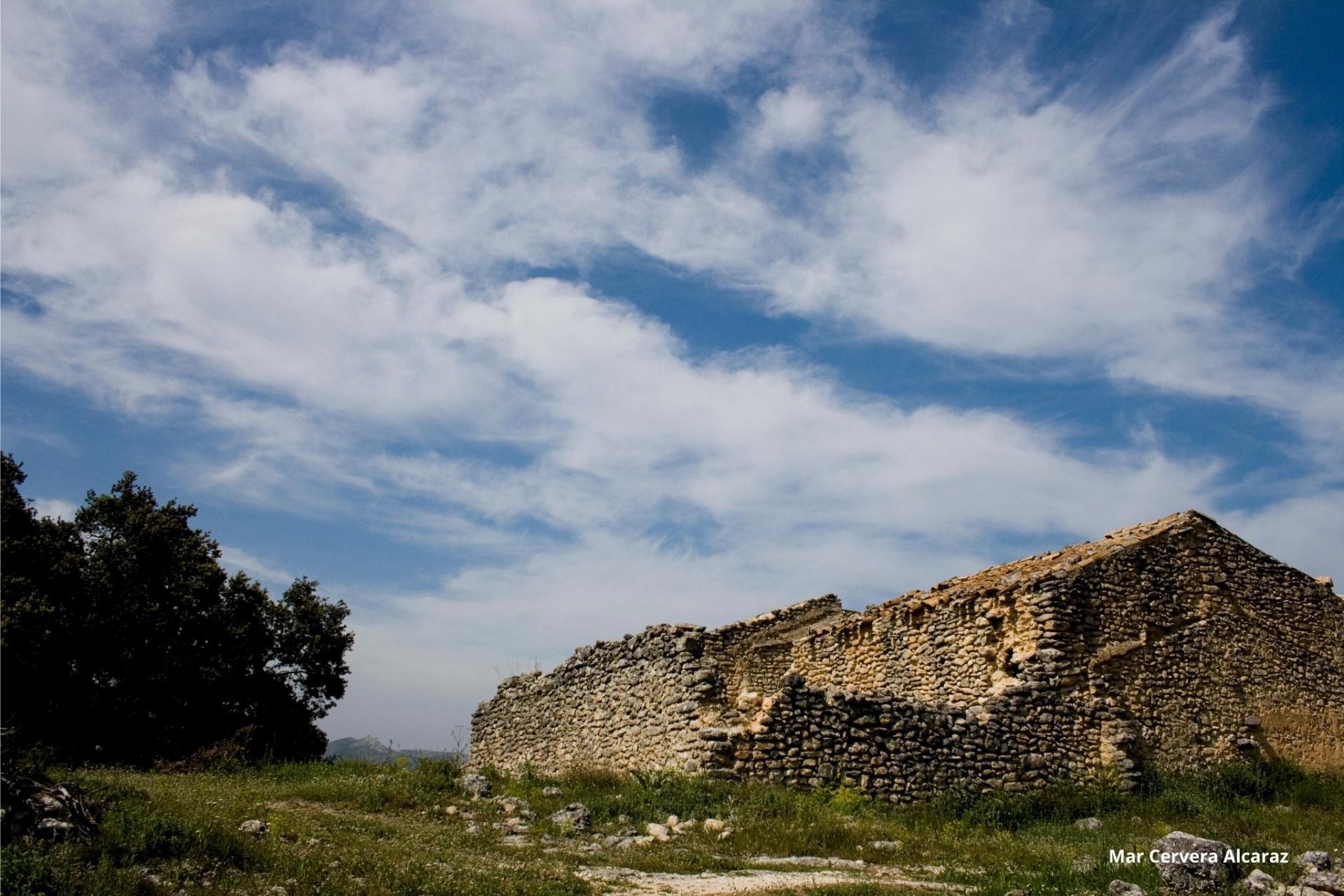
One of the main attractions of the cultural heritage of Vall d’Alcalà is its Moorish abandoned villages, considered among the best preserved in the province of Alicante.
L’Atzuvieta
The Moorish abandoned settlement of L’Atzuvieta is one of the most important ethnological complexes in the Valencian Community. It preserves remains of adjoining houses, a mill, an irrigation canal and an olive press, reflecting the structure of an ancient Andalusi alquería devoted to irrigated agriculture.
La Roca and La Queirola
These historic nuclei complete the Moorish heritage ensemble of the Vall, allowing visitors to understand the urban and social organization prior to the expulsion of the Moriscos in 1609.
Al-Azraq and the Andalusi history of Vall d’Alcalà
Vall d’Alcalà was the main center of power of the Muslim leader Al-Azraq in the 13th century. From this mountainous territory he led the resistance against the feudal expansion of James I of Aragon during the conquest of the Kingdom of Valencia.
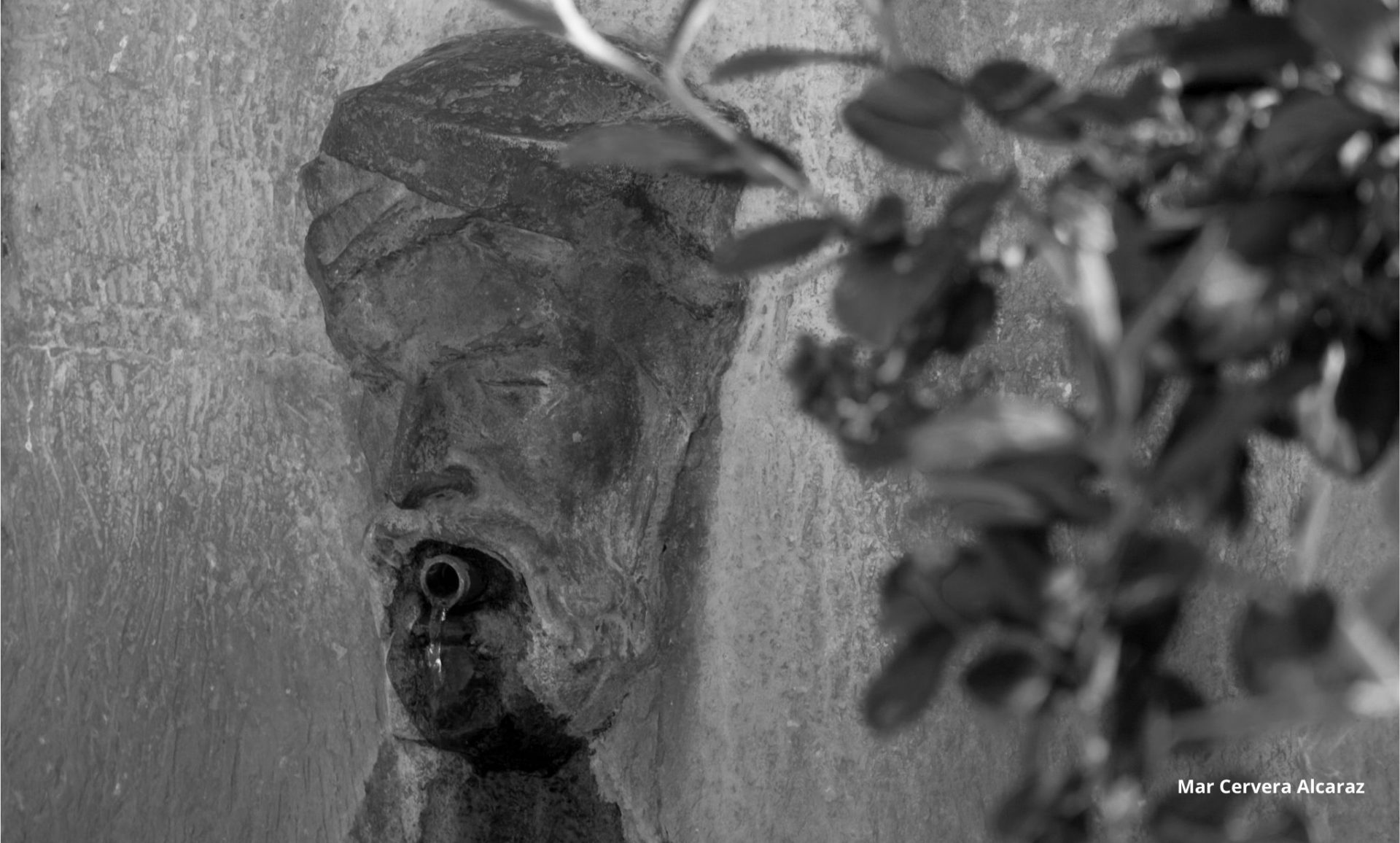
In Alcalá de la Jovada, remains of the former palace-residence attributed to Al-Azraq are preserved, partially integrated into the current parish church. In addition, a commemorative fountain recalls his figure, which has become a historical symbol of the central Valencian regions.
The Andalusi legacy defines the cultural identity of the municipality and is one of the main attractions for historical tourism in Alicante.
Religious Architecture
After the expulsion of the Moriscos and the Christian repopulation, the territory was reorganized around new religious buildings:
-
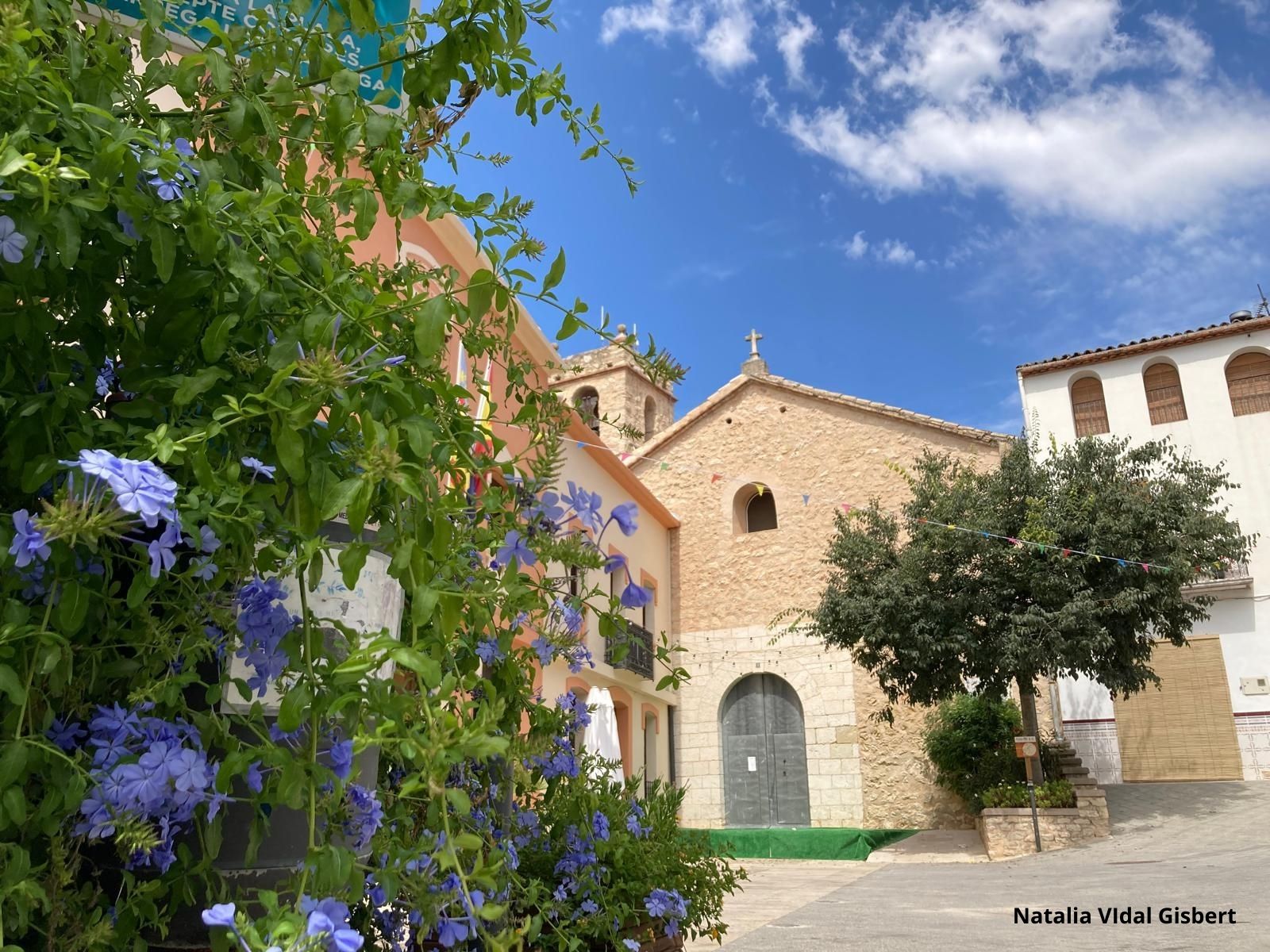
Church of the Immaculate Conception of Alcalá de la Jovada (1636), the main religious monument of the municipality.
-
Church of Beniaia, an example of traditional rural architecture from the 17th and 18th centuries.

Snow Wells and Ethnological Heritage
Vall d’Alcalà preserves important examples of traditional architecture linked to the use of natural resources.
Neveras de Baix and Nevera de Dalt
These snow wells made it possible to store ice during the winter for later trade in coastal towns such as Denia. They are an outstanding example of pre-industrial engineering in the mountains of Alicante.
Traditional Washhouses
The washhouses of Beniaia, Benissili, Alpatró and Benisivà/Benitaia are part of the local ethnological heritage and show the importance of water in the social and economic life of the valley.

The history of Vall d’Alcalà dates back to Prehistory:
-
The Iberian settlement of Xarpolar.
-
El Tossal de la Roca, a key Epipalaeolithic site on the Mediterranean façade, where portable art and remains of human occupation of great scientific value have been discovered.
This archaeological heritage places Vall d’Alcalà as an important historical reference in the interior of Alicante.

The heritage of Vall d’Alcalà can be discovered through marked routes that combine nature, history, and landscape:
-
“Les Neveres” Route, the approved trail SLCV-181, a route through the southern mountains of Vall d’Alcalà.
-
Camí de la Solana, a traditional path that runs between terraced fields, hydraulic systems, and panoramic views of the valley.
These routes make Vall d’Alcalà an ideal destination for cultural hiking in Alicante.